


-

Add: HeBei ShengShi HongBang Cellulose Technology CO.,LTD.
-

Email
13180486930@163.com -

CONTACT US
+86 13180486930
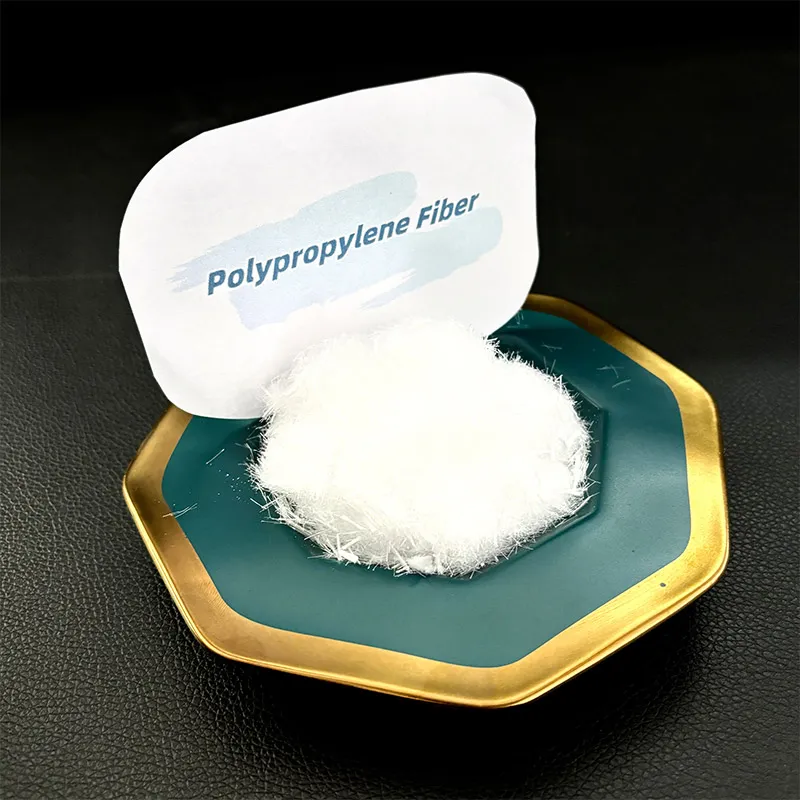

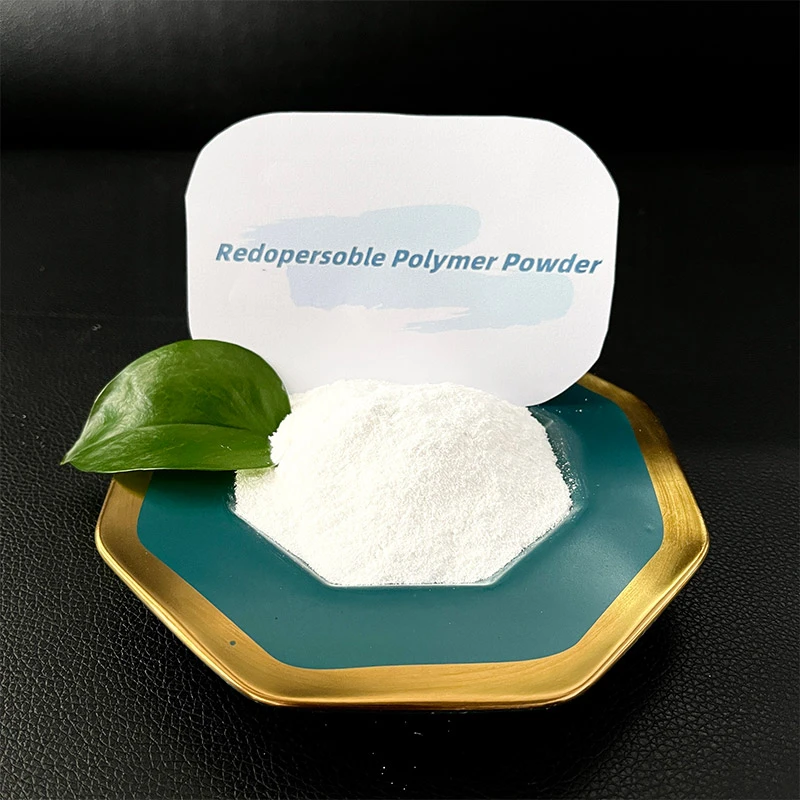
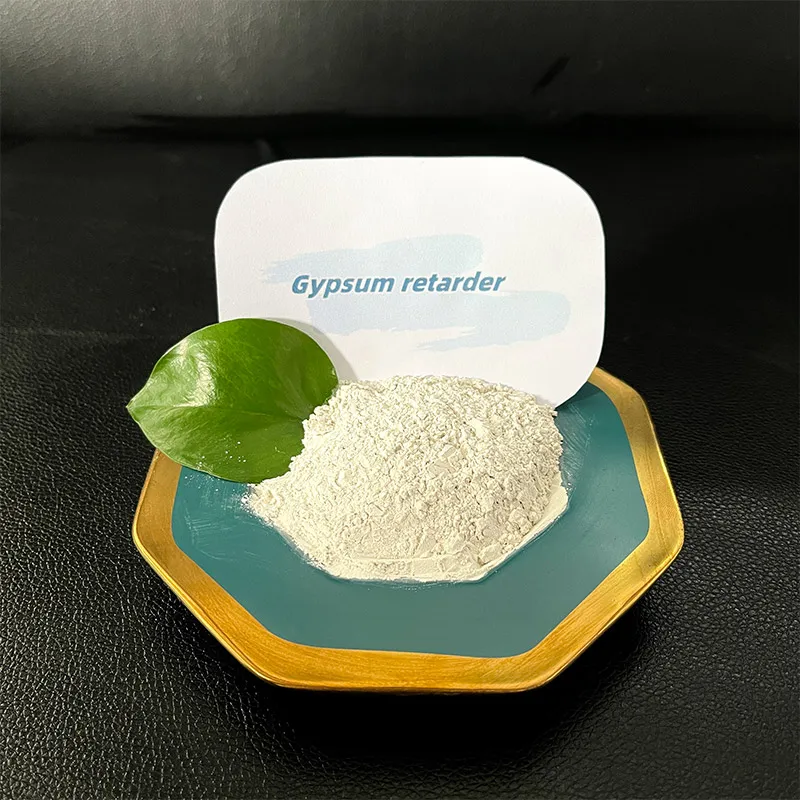
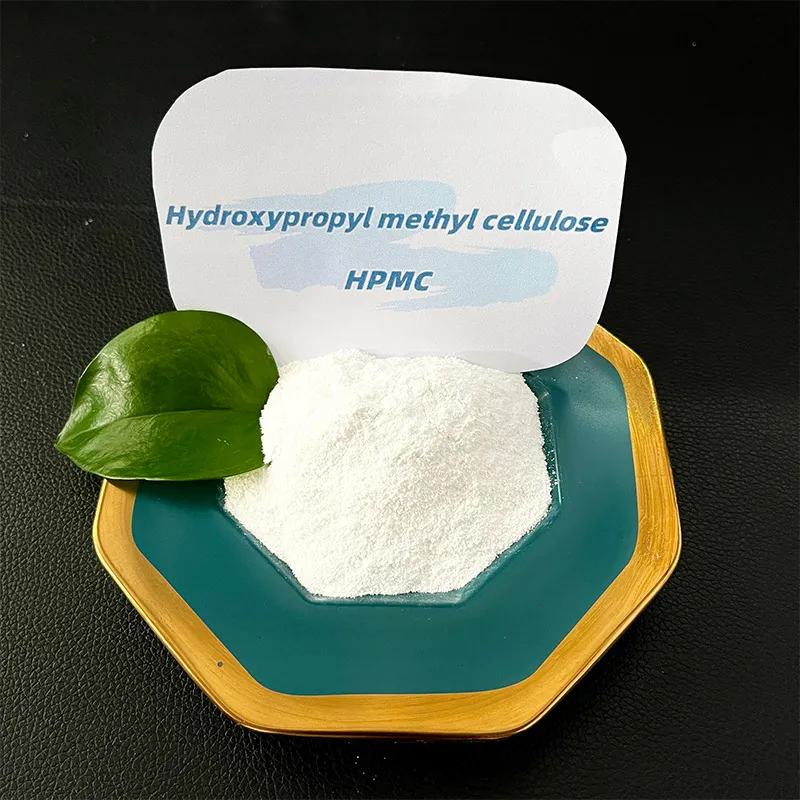
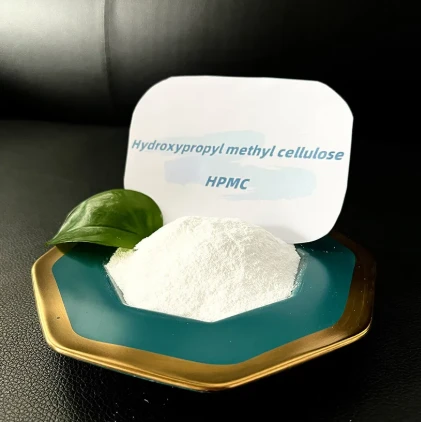


starch ether, starch ether for dry mortar, starch ether price, starch ether uses, starch ether in tile adhesive is a key solution in the chemical industry industry, specifically within Specialty Chemicals and Building chemical additives. This article explores how HeBei ShengShi HongBang Cellulose Technology CO.,LTD. supports professionals with durable, high-performance products, and explains why this product is an ideal choice for businesses in these sectors. Table of Contents starch ether,starch ether for dry mortar,starch ether price,starch ether uses,starch ether in tile adhesive Overview Benefits & Use Cases of starch ether,starch ether for dry mortar,starch ether price,starch ether uses,starch ether in tile adhesive in Building chemical additives Cost, Maintenance & User Experience Sustainability & Market Trends in chemical industry Conclusion on starch ether,starch ether for dry mortar,starch ether price,starch ether uses,starch ether in tile adhesive from HeBei ShengShi HongBang Cellulose Technology CO.,LTD. starch ether,starch ether for dry mortar,starch ether price,starch ether uses,starch ether in tile adhesive Overview Starch ether is a plant-based, chemically modified polysaccharide designed to fine-tune rheology in cementitious and gypsum-based drymix systems. In the Specialty Chemicals domain—especially Building chemical additives—it serves as a workability enhancer and anti-sag/anti-slip agent that complements cellulose ethers such as HPMC/HEMC. By modifying paste viscosity and thixotropy, starch ether helps applicators achieve smoother troweling, better open time, and cleaner edges across a wide range of mortars. For B2B producers, starch ether for dry mortar offers reliable performance at low dosage, typically in the range of 0.05–0.30% depending on formulation and target properties. It helps balance water retention, slump, and application feel without sacrificing strength development when properly formulated. In tile adhesive and renders, it reduces stickiness on the trowel while maintaining vertical hold. HeBei ShengShi HongBang Cellulose Technology CO.,LTD. manufactures consistent, high-purity starch ether tailored for drymix plants. With stringent raw-material selection and in-process quality control, the company focuses on batch-to-batch stability—critical for automated dosing, tight specification windows, and scale-up from the lab to plant. Explore the full product details and technical support resources on the official product page. Benefits & Use Cases of starch ether,starch ether for dry mortar,starch ether price,starch ether uses,starch ether in tile adhesive in Building chemical additives Across building chemical additives, starch ether uses span tile adhesives, cement renders, gypsum plasters, ETICS basecoats/adhesives, and patching mortars. In tile adhesive formulations, starch ether in tile adhesive helps balance open time and anti-slip, providing a smooth, creamy consistency that installers prefer while keeping tiles from sliding on vertical surfaces. In renders and repair mortars, it enhances trowelability and edge retention, enabling cleaner finishing and reduced sag on thicker applications. Key advantages include: - Rheology control: Tunable viscosity and thixotropy for better sag resistance and easier spreading. - Synergy with cellulose ethers: Complements HPMC/HEMC to optimize water retention and workability. - Low dosage efficiency: Delivers performance at small addition levels, preserving formulation economics. - Process robustness: Stable performance under variable cement, filler, and sand gradations. HeBei ShengShi HongBang Cellulose Technology CO.,LTD. brings deep know-how in pairing starch ether grades with different binder systems and redispersible polymer powders (RDP). The company’s technical team supports customers with lab screening, pilot batches, and on-site validation to help accelerate qualification cycles and deliver consistent performance from pilot to production. Cost, Maintenance & User Experience When evaluating total cost of ownership, the starch ether price is only one variable. The true ROI comes from low dose rates, fewer jobsite callbacks (due to reduced tile slip or surface defects), smoother application, and productivity gains for installers. Starch ether’s ability to fine-tune rheology often means fewer formulation tweaks elsewhere, which simplifies inventory and reduces requalification efforts. What influences starch ether price? Grade selection (rheology profile), substitution level, moisture control, packaging, and logistics all play a role. Bulk orders and long-term contracts typically yield the most favorable economics. From a “maintenance” perspective, starch ether requires no special servicing—just proper storage. Keep in original, sealed packaging, protected from moisture and heat, and use on a first-in/first-out basis for best results. Feedback from mortar and tile adhesive producers highlights improved trowel glide, consistent pot life, and stable anti-sag performance with HeBei ShengShi HongBang Cellulose Technology CO.,LTD.’s grades. Plant teams also value predictable flow properties that support accurate dosing and mixing, enabling repeatable quality across batches and production sites. Sustainability & Market Trends in chemical industry The construction chemicals sector is prioritizing performance with a lower environmental footprint. Starch ether—derived from renewable feedstocks and formulated to be low in VOC—aligns with greener chemistry goals while maintaining robust performance in dry mortar. As regulations tighten globally (e.g., REACH, evolving regional building codes, and voluntary ecolabels), demand is rising for additives that help formulators meet both technical and environmental criteria. Market trends include the growth of pre-packed drymix mortars, tighter quality control at job sites, and increased adoption of polymer-modified systems for higher bond strength and durability. In this context, rheology modifiers that deliver reliable workability and anti-sag are essential. HeBei ShengShi HongBang Cellulose Technology CO.,LTD. invests in quality management, traceable supply chains, and continuous improvement to support customers’ ESG targets and regulatory compliance, while providing formulation support that accelerates market entry. By helping reduce rework and ensuring consistent application quality, starch ether indirectly lowers material waste and embodied carbon impacts throughout the install cycle—small percentage inputs that can make a measurable difference at scale. Conclusion on starch ether,starch ether for dry mortar,starch ether price,starch ether uses,starch ether in tile adhesive from HeBei ShengShi HongBang Cellulose Technology CO.,LTD. For B2B decision makers in the chemical industry—especially Specialty Chemicals and Building chemical additives—starch ether delivers dependable rheology control, installer-friendly application, and competitive economics. Whether you are optimizing tile adhesive anti-slip or improving the trowelability of renders and plasters, HeBei ShengShi HongBang Cellulose Technology CO.,LTD. provides consistent quality and expert technical support to streamline your formulation journey. Contact us: email: 13180486930@163.com Visit our website: https://www.sshbhpmc.com
- 40000tons

Production
- 20+years

Experience
- 5000+㎡

Acreage

-
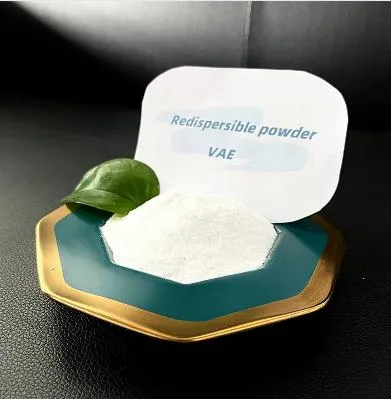
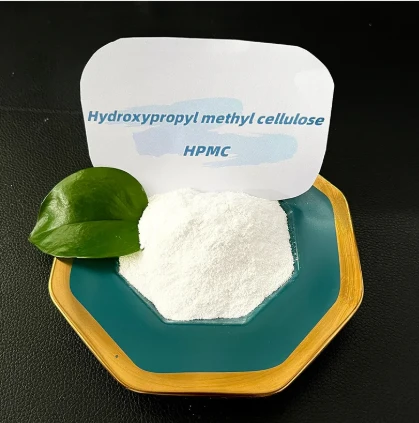
Gypsum, a vital component in the construction industry, is transformed through various additives to enhance its performance and adaptability. Among these additives, Hydroxypropyl Methylcellulose (HPMC) stands out as a crucial modifier. Its integration into gypsum-based products has propelled advancements in construction technology, addressing specific challenges faced by builders and manufacturers. In-depth evaluations conducted over the years demonstrate HPMC's proficiency in enhancing the workability and stability of gypsum mixtures. Its primary function as a rheology modifier stabilizes the gypsum slurry , ensuring it maintains an optimal consistency during application. Builders have reported significant improvements in sag resistance, which ensures a better finish, particularly with the overhead or vertical applications of gypsum plaster. The role of HPMC in gypsum formulations extends beyond mere physical stability; it significantly influences the setting time of the mixture. This flexibility allows construction professionals to adjust the working time of gypsum products according to project requirements, weather conditions, and labor availability. This adaptability also contributes to minimizing waste, as precise working times reduce the likelihood of premature setting and material wastage. HPMC's impact on water retention within gypsum mixtures is another critical advantage. By retaining water during the hydration process, it facilitates the complete setting of gypsum, subsequently enhancing the strength and durability of the final product. Moreover, this water-retentive characteristic of HPMC is especially beneficial in hot, dry environments, where rapid moisture loss can undermine the integrity of gypsum applications. hpmc for gypsum Research underlined in various scientific publications confirms HPMC's capacity to influence the mechanical properties of gypsum-based materials. Enhanced adhesive strength and flexibility can be attributed directly to its incorporation, making it an indispensable additive for high-performance gypsum products. This modification enables materials to withstand mechanical stresses better and ensures longer-lasting installations in diverse building environments. Expert analysis within the industry highlights HPMC's compatibility with other additives, allowing for customized gypsum formulations depending on specific project needs. This versatility supports innovation, enabling the creation of tailored solutions that address the distinctive requirements of modern construction projects, ranging from residential to industrial applications. Professional construction bodies and institutes advocate for the incorporation of HPMC in gypsum products, recognizing the additive’s efficacy in improving product performance and output quality. The construction industry, therefore, relies heavily on HPMC for sustainable and efficient building solutions, with its credibility supported by scientific research and widespread industry approval. Ultimately, the trustworthiness of HPMC in gypsum applications is validated by practical case studies and the endorsement of industry experts. Builders and manufacturers consistently report enhanced efficiency and cost-effectiveness in gypsum applications, attributable to the superior properties imparted by Hydroxypropyl Methylcellulose. As construction demands evolve, the continuous refinement and application of HPMC in gypsum products will undoubtedly play a pivotal role in shaping the future of building technologies.
-
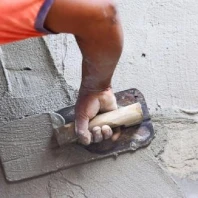
Hydroxypropyl methylcellulose (HPMC) has been a prominent player in the world of construction and pharmaceuticals owing to its versatile properties . The pricing landscape of HPMC can fluctuate due to several factors, crucial for businesses and stakeholders to understand for strategic decision-making. This article delves into the nuances of HPMC pricing while integrating real-world insights, professional knowledge, authority, and reliability. HPMC is celebrated for its multifunctionality, providing thickening, emulsifying, and stabilizing properties. These attributes render it indispensable in industries ranging from building materials to personal care products. The price of hydroxypropyl methylcellulose is influenced by raw material costs, production processes, and market demand, which are intertwined intricacies every professional should comprehend. Insights from Industry Experts Engaging with industry experts reveals that one of the pivotal factors affecting HPMC pricing is the cost of raw cellulose and the chemicals used in its etherification. Fluctuations in cellulose prices, often affected by agricultural conditions and supply chain disruptions, directly impact HPMC costs. In addition, energy prices carry weight in the pricing equation due to the energy-intensive process of producing HPMC, making it susceptible to global geopolitical situations that alter energy market dynamics. The Role of Market Demand Market demand plays a critical role in establishing HPMC prices. As more industries discover innovative applications for HPMC, the demand chain expands. For example, in construction, the escalating demand for sustainable and green building materials has intensified interest in HPMC due to its environmental benefits and role in reducing material waste. Additionally, the burgeoning pharmaceutical sector relies on HPMC as an excipient, further driving demand. hydroxypropyl methylcellulose price Authoritative Market Analysis An authoritative analysis of current market trends shows that China and India are significant production hubs for HPMC due to their abundant raw material resources and cost-effective production capabilities. Key players in these regions often have a significant influence on global pricing structures. Furthermore, regulatory changes concerning environmental policies in these countries can lead to shifts in production costs, consequently affecting international prices. Trustworthy Sources and Reports Relying on trustworthy market reports and data from established financial analytics firms provides deeper insights into pricing trends and forecasts. Recent reports indicate that prices have been moderately stable, with anticipated growth attributed to advancements in application technology and increasing environmental awareness among consumers. Strategic Recommendations Businesses relying on HPMC should adopt a strategic approach to mitigate price volatility risks. Diversifying supply sources, investing in local production facilities, and adopting alternative technological methods are potential strategies to achieve cost efficiency and stable pricing. Moreover, maintaining transparent relationships with suppliers can foster mutual trust and facilitate better negotiated pricing. In conclusion, understanding the pricing structure of hydroxypropyl methylcellulose involves an intricate blend of raw material costs, market demand dynamics, and regional economic policies. For businesses in construction, pharmaceutical, and beyond, a forward-thinking strategy backed by expert insight and authoritative data sources can ensure effective management of costs associated with this essential compound.
advantages
-

200000 Viscosities
Excellent product
We can produce pure products up to 200,000 viscosities
-

40000 tons
High yield
We don’t stop production all year round, and the annual output can reach 40,000 tons
-

24 hours
Quality service
We provide 24-hours online reception service, welcome to consult at any time
———— Inquiry Form
Schedule A services


-
 hpmc_for_gypsum
Oct . 25, 2025
Understanding Wood Cellulose Its Nature and Importance Cellulose is a complex carbohydrate that is a -
 macro_synthetic_fiber
Oct . 25, 2025
In the realm of construction and building materials, one innovative component is making waves for it -
 sifa_za_nyuzi_za_polypropen
Oct . 25, 2025
Provided by: HeBei ShengShi HongBang Cellulose Technology CO.,LTD. Address: HeBei ShengShi HongBang


